Sailing
How to Anchor Safely in a Crowded UK Cove: Scope, Set and Swing Check
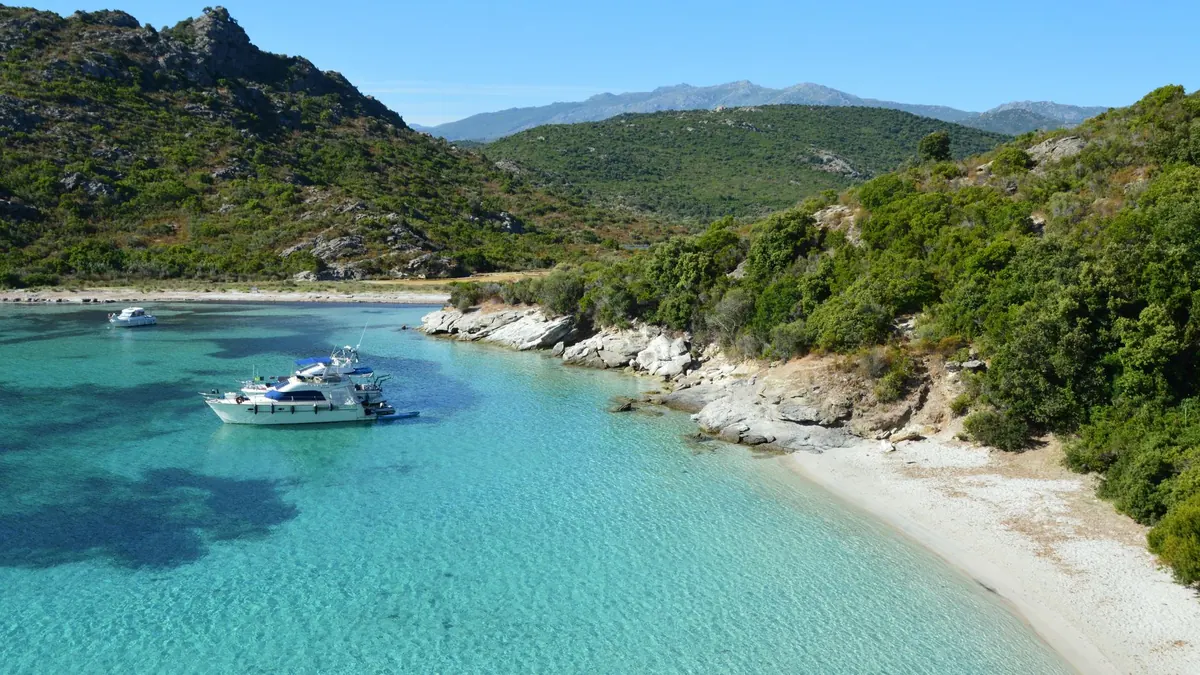
A crowded cove on a settled July evening looks like the easiest anchorage in the world. Everyone is smiling, the barbecue is out, and you can see three boats you know. Then the wind backs twenty degrees at dusk, a charter boat arrives and drops on top of your swing circle, and you spend the night sitting up with a torch.
None of that is bad luck. It is nearly always the result of one of three things being rushed: where you dropped, how much chain you laid out, and whether you actually checked that the anchor held. Get those right and a busy anchorage can be one of the most sociable, peaceful nights of the season.
Choose the Spot Before You Choose the Anchor
Arrive with time to look. Circling once is not indecision; it is planning.
What to look for
- Depth that works at low water, not just now. Add the height of your bow roller above the surface to the charted depth, then allow for the fall of tide in the next few hours.
- Seabed: sand, firm mud and small shells hold well. Thick weed, kelp, eelgrass and smooth rock are unreliable, and some shallow seagrass areas carry voluntary anchoring restrictions, so read the harbour notice or local code rather than relying on the chart alone.
- Room to swing: one full circle, plus your scope, plus the scope of the boats around you.
- Shelter from the forecast direction, and a plan for the direction the wind might come from instead.
- Clear of moorings, racing marks, cables, ferry routes and the fairway.
If you can see the chain of the boat nearest you, note how much is out. That tells you more about the space she needs than her hull length ever will. A 9-metre yacht in 6 metres of water on 5:1 is sitting on 30 metres of chain, so her bow could be anywhere within a 30-metre circle of her anchor. Two boats with that much scope need a surprising amount of room between them.
Getting the Scope Right
Scope is the ratio of the rode you have out to the depth from your bow roller to the seabed. Depth means the actual depth at the time, plus your freeboard. It is not the figure on your transducer alone.
Broadly speaking: 3:1 is a working minimum in calm, settled conditions over good holding; 5:1 is a sensible everyday figure for a night aboard; 7:1 or more is what you want in fresh wind, swell or a doubtful seabed. All-rope rodes need more than chain, because the weight of chain helps keep the pull low and level at the anchor.
Tide changes everything. If you anchor at high water in 3 metres and low water is 2 metres below that, you will be in 1 metre by morning. Work your scope on the shallower figure, or you will spend the small hours with the rode running almost vertically and an anchor that is only just nosing into the mud.
Chain, rope and the mixed rode
More chain is rarely a mistake in a crowded anchorage. It flattens the angle of pull, absorbs the snatch from passing wakes, and encourages the anchor to bite rather than lever out. Let it out in controlled bursts while the boat drifts back, keeping a hand or foot on the chain so you can feel what the seabed is doing underneath.
Setting the Anchor, Not Just Dropping It
An anchor lowered to the bottom and left there is not set. It is parked. Setting is a deliberate act.
- Stop the boat, or bring her almost to a stop, and lower the anchor rather than throwing it.
- Pay out rode as the boat drifts back, keeping the chain tending ahead of the bow.
- When you have two-thirds of your intended scope out, take a turn and give a gentle pull astern: engine in tick-over reverse for a few seconds.
- Feel for the moment it bites. The chain comes up straight, the boat stops moving back, the snubber stretches and then holds.
- Lay out the rest of the scope, fit your snubber or bridle, and note two transits or a bearing.
If it drags, or the chain rumbles across rock, pick up and try again twenty metres away. Ten minutes of repositioning beats a night of uncertainty.
The Swing Check
This is the step most people skip, and it is the one that saves the night. A swing check is simply confirming that your boat can turn through a full circle without touching anyone or anything.
Take a bearing on two fixed objects, such as a headland and a church tower, or a buoy and a house chimney, ideally at roughly 90 degrees to each other. Watch those bearings as the boat swings. Small changes are normal. A steady change in one direction, with the rode going slack, means the anchor is moving.
Better still, watch the track on a chartplotter or anchor app. A tidy wander around a single point is good. An elongated smudge creeping downwind is not. For the first hour, look out every ten minutes or so, and again when the tide turns, when a squall passes, or when the wind shifts at dusk.
Keep an ear out as well
Listen to the rode. Chain grinding or jerking under a snatch load, a snubber that keeps going slack and tight, or a boat that suddenly sits differently all tell you something has changed. An anchor alarm with a tight radius is useful, but it only tells you after the fact.
Living With Your Neighbours
Crowded anchorages run on small courtesies. Anchor behind the boats already settled rather than alongside them. Give a wider berth to anyone on a long scope, to a multihull, or to a boat lying to a single anchor in a cross-tide. If someone drops too close, a polite word early is far better than a shouted one at midnight.
If you do have to move, do it while it is still light. Motoring out of a cove in the dark, with boats swinging in every direction, is a job for settled nerves and a very good torch, and it is avoidable.
When you leave, motor gently ahead while someone shortens the rode, break the anchor out cleanly, and bring it up slowly. Check for weed, mud and any chain that has wrapped itself around a keel or rudder before you put the throttle down.
Ten Extra Minutes, Every Time
Safe anchoring is rarely dramatic. It is a slow turn around the cove, a careful look at depth and seabed, a bit more scope than you think you need, one firm pull astern, and two bearings written down. Do that in a busy cove and you will sleep through the wind shift that wakes everyone else. Do it as a habit and you will start choosing the best spot in the anchorage rather than the first gap you see.
Photo: SlimMars 13 / Pexels
Related Articles